Americaine Sauce is a classic French seafood sauce with a rich tomato base, savory depth, gentle heat, and a smooth finish. Traditionally made with tomatoes, onion, garlic, white wine, brandy, seafood stock, herbs, and butter, it is often served with lobster. It also pairs well with shrimp, crab, scallops, and firm white fish. At the same time, its balanced flavor develops as each ingredient is slowly incorporated, creating a rich taste without relying on heavy seasoning.
What is the difference between a flat sauce and one with deep flavor? To avoid these common issues, follow these seven tips to prevent problems such as watery consistency, sharp acidity, excessive salt, and overpowering heat.
Prep Time:
- Prep time: 15 minutes
- Cook time: 30–40 minutes
- Total time: About 50–55 minutes
- Servings: 4
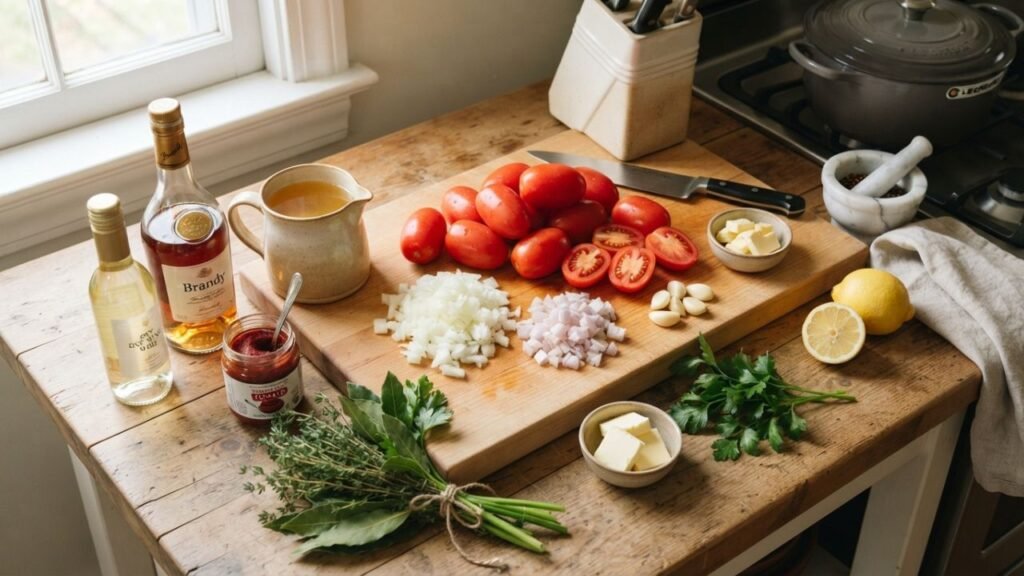
Ingredients:
- 2 tablespoons olive oil or unsalted butter
- 1 small onion, finely chopped
- 1 shallot, finely chopped
- 2 garlic cloves, minced
- 2 cups crushed tomatoes
- ½ cup dry white wine
- 2 tablespoons brandy
- 1½ cups seafood or fish stock
- 1 bay leaf
- 1–2 sprigs fresh thyme
- ¼ teaspoon cayenne pepper, or to taste
- 2 tablespoons cold unsalted butter
- Salt and freshly ground black pepper, to taste
- 1 tablespoon fresh parsley, chopped
- 1 teaspoon lemon juice, optional
Ingredient Alternatives
| Ingredient | Alternative | Notes |
| Shallot | Extra onion | Use a little more onion if shallots are unavailable. |
| Fresh tomatoes | Canned crushed tomatoes | Good-quality canned tomatoes are a convenient year-round option. |
| Seafood stock | Mild fish stock | A mild fish stock works well without overpowering the sauce. |
| Brandy | Extra white wine or omit | Leave it out or use a small amount of additional white wine. |
| Fresh thyme | Dried thyme | Use a small amount because dried thyme has a more concentrated flavor. |
| Cayenne pepper | Paprika | Paprika provides mild warmth with much less heat. |
| Fresh parsley | Dried parsley | Use dried parsley when fresh parsley is unavailable. |
| Unsalted butter | Salted butter | Reduce the added salt to keep the sauce from becoming too salty. |
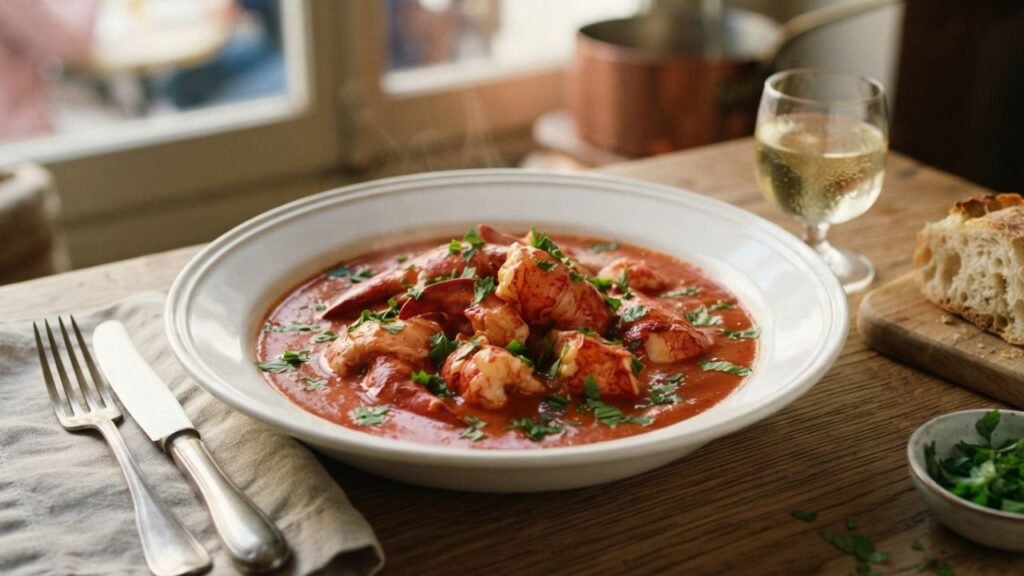
What Is Americaine Sauce?
Americaine Sauce is a classic French seafood sauce made with tomatoes, aromatics, white wine, brandy, seafood stock, herbs, and butter. It has a rich, savory flavor with a touch of acidity and gentle heat.
The sauce is traditionally associated with lobster and is known for its slow-cooked tomato and seafood base. It can also be served with shrimp, crab, scallops, and firm white fish.
7 Tips for Better Flavor
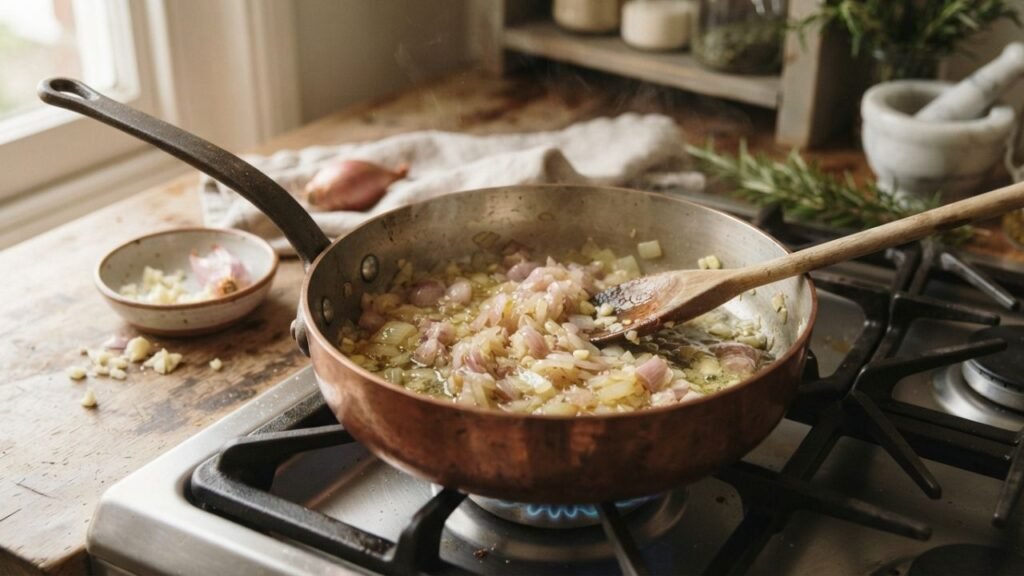
1. Cook the Aromatics
Onion, shallot, and garlic provide the foundation of the sauce. Cook the onion and shallot over medium heat until they become soft and translucent.
Add the garlic toward the end because it cooks quickly. Avoid letting it become dark or burnt, as this can introduce bitterness.
2. Cook Down the Tomatoes
Give the tomatoes enough time to lose their raw taste and reduce slightly. After adding them to the aromatics, let them simmer until some of the moisture has evaporated.
The mixture should look thicker and smell sweeter and more rounded. Fresh ripe tomatoes work well when available, while canned tomatoes are a convenient choice throughout the year.
3. Reduce the Wine
Wine and brandy add complexity, but the liquid needs time to reduce. Let the mixture simmer for several minutes until it has noticeably decreased.
This concentrates the flavor and softens the stronger alcohol notes. A dry white wine works well because its acidity helps balance the tomatoes.
If you prefer not to use brandy, simply leave it out. The sauce will have a slightly different character but can still develop good depth.
4. Choose Good Stock
Seafood stock provides much of the savory character. Homemade stock is excellent, but a mild fish stock is also a practical option.
Be careful with salt because the stock will reduce during cooking. A heavily seasoned stock can make the finished sauce too salty.
For better control, add most of the salt near the end once the sauce has reached its final consistency.
5. Simmer Slowly
After adding the stock, keep the pan at a gentle simmer rather than a rapid boil. Slow cooking allows the flavors to blend while excess moisture gradually evaporates.
Small, steady bubbles are a good indication that the heat is right. Depending on the amount of liquid, this stage can take around 20–30 minutes.
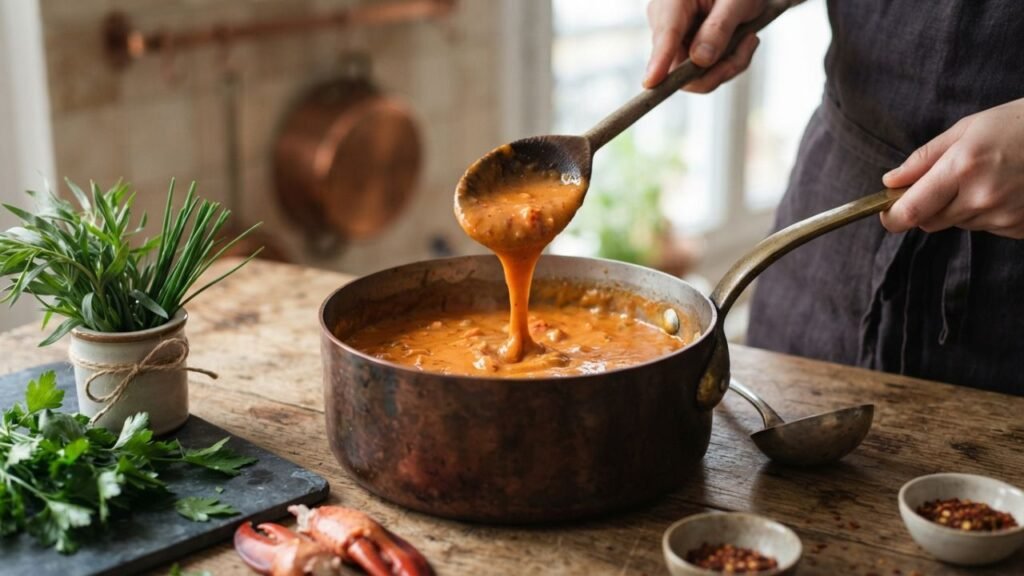
The sauce should become thicker and more concentrated. If it still looks watery, continue simmering rather than immediately adding flour or another thickener.
6. Add Cold Butter
Cold butter gives the sauce a smoother texture and helps soften the acidity from the tomatoes and wine.
Lower the heat or remove the pan from the burner before adding it. Whisk in the butter gradually so it blends evenly into the warm sauce.
The finished mixture should look smooth and slightly glossy rather than oily.
7. Balance the Seasoning
Taste the sauce only after it has reduced. At this point, you can decide whether it needs more salt, acidity, richness, or heat.
If it tastes too sharp, a little butter can soften it. If it feels heavy, a small amount of lemon juice can bring freshness.
If the flavor seems weak, let it reduce for a few more minutes before adding more seasoning. Sometimes the sauce simply needs more concentration.
For a smooth finish, strain it through a fine-mesh sieve before adding the butter. For a rustic texture, leave the cooked tomato and aromatics in the sauce.
Serving Suggestions
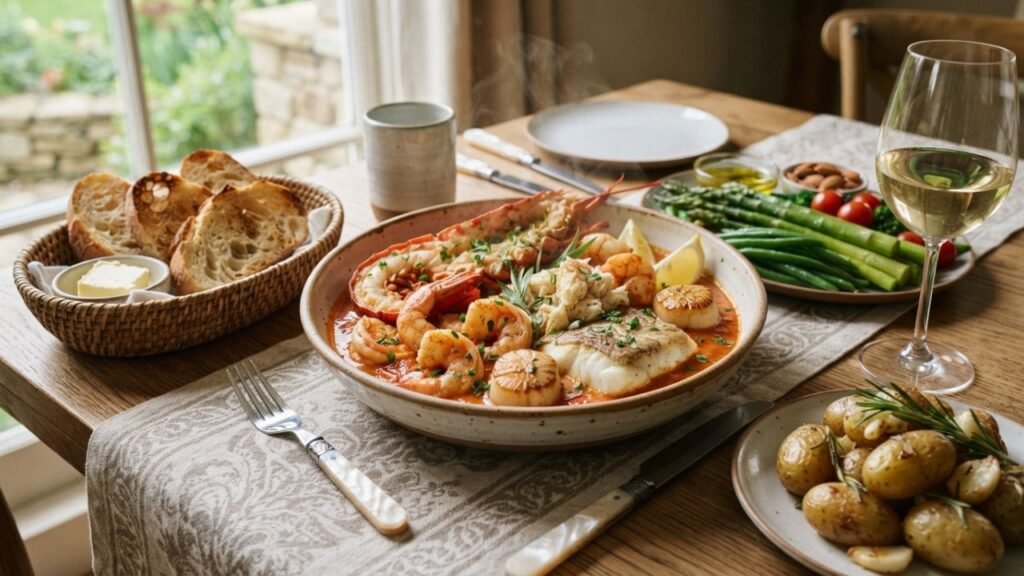
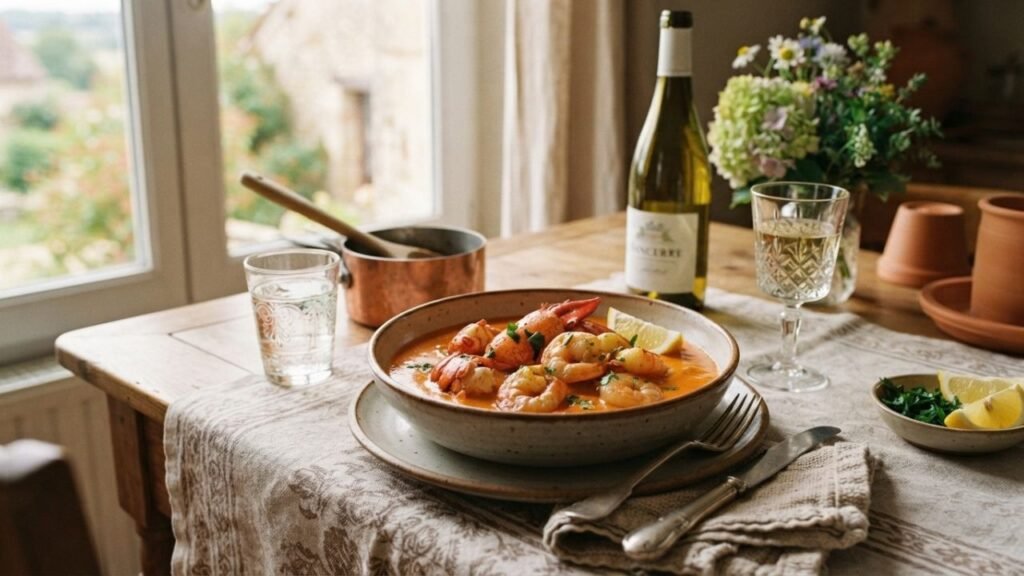
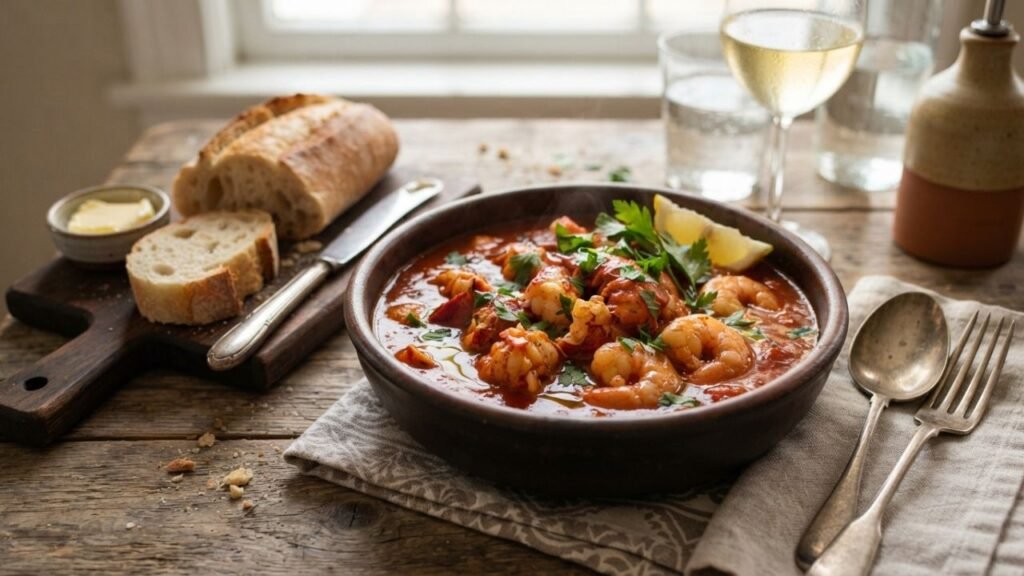
Serve the sauce with lobster, shrimp, crab, scallops, or firm white fish. For safe handling and serving, follow the U.S. Food and Drug Administration’s guidance on the official website of the United States government redirect on the blog U.S Food and Drug administration Selecting and Serving Fresh and Frozen Seafood Safely.
Simple sides work best, such as:
- Steamed rice
- Crusty bread
- Roasted potatoes
- Green vegetables
Spoon the sauce around the seafood and serve it warm.
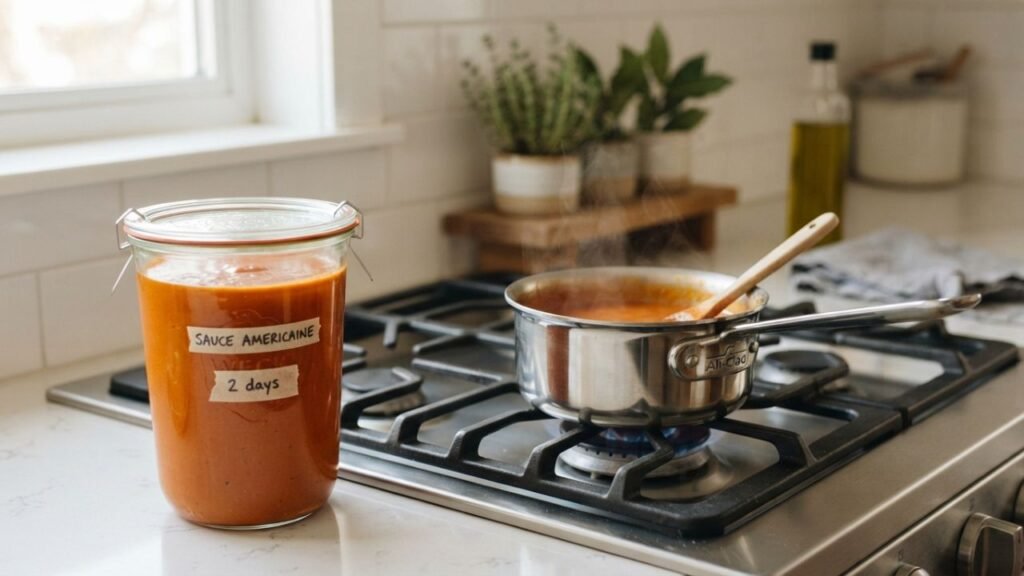
Storage and Reheating
Store leftovers in an airtight container and refrigerate within two hours.For more detailed guidance, see the official website of the United States government redirect on the blog USDA’s Leftovers and Food Safety. Use within 3–4 days, or freeze for longer storage.
Thaw frozen sauce in the refrigerator and reheat gently over low heat. Avoid boiling, as this can affect its smooth texture.
Common Mistakes
A few small mistakes can affect both flavor and texture:
- Burning the garlic: This can make the sauce bitter.
- Under-cooking the tomatoes: The base may taste raw or overly acidic.
- Using salty stock: Reduction intensifies the salt.
- Adding too much cayenne: The heat should remain subtle.
- Skipping the reduction: The sauce may stay thin and watery.
- Boiling too hard: Fast boiling makes the consistency harder to control.
- Adding too much butter: Excess richness can mask the seafood flavor.
- Seasoning too early: Final seasoning is easier after reduction.
If the sauce tastes too acidic, let it cook a little longer before making major adjustments. If it tastes flat, check its consistency and seasoning first.
FAQs
What seafood works best with Americaine Sauce?
Lobster is the traditional choice, but shrimp, crab, prawns, scallops, and firm white fish also pair well with its rich tomato and seafood flavors.
Can I use canned tomatoes?
Yes. Canned tomatoes are convenient and work particularly well when fresh tomatoes are not in season.
Can I leave out the brandy?
Yes. You can omit the brandy and continue with the white wine and seafood stock. The final flavor will be slightly different.
How can I thicken the sauce?
Simmer it uncovered until excess moisture evaporates. This naturally concentrates the flavor and improves the consistency.
Should I strain the sauce?
Straining is optional. It creates a smoother texture, while leaving the cooked ingredients intact gives the sauce a more rustic finish.
Can I freeze the leftovers?
Yes. Cool the sauce properly, place it in a freezer-safe airtight container, and thaw it in the refrigerator before reheating gently.
Conclusion
A flavorful seafood sauce comes down to careful cooking rather than complicated techniques. Softening the aromatics, cooking the tomatoes properly, reducing the wine and stock, and finishing with butter are the details that shape its final character.
The goal is balance: enough richness to make the sauce satisfying, enough acidity to keep it bright, and enough seafood flavor to complement the main ingredient. Once these basics become familiar, you can adapt it easily for lobster, shrimp, crab, or fish.
With a little patience and attention to the cooking process, this classic French preparation can become a dependable addition to your home seafood meals.