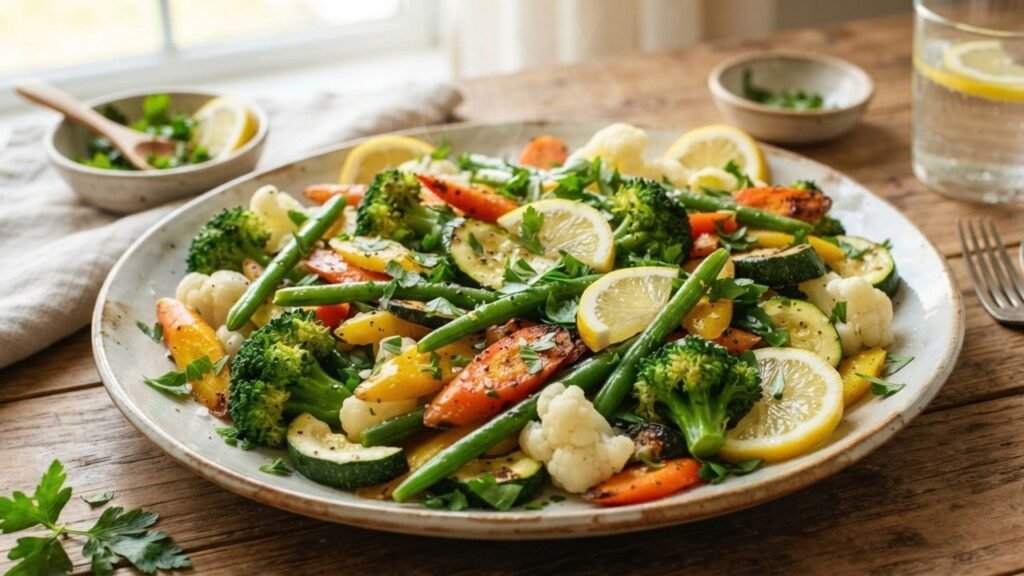
Vegetable du Jour means “vegetable of the day” and is a simple way to prepare fresh produce according to the season or what you already have in the kitchen. It can include carrots, broccoli, green beans, zucchini, asparagus, cauliflower, or a colorful mix of several vegetables. Because the choice of produce is flexible, it works well for quick family dinners, lighter meals, and special occasions without requiring a complicated recipe.
The biggest challenge is keeping vegetables crisp instead of soft and watery. A few simple steps can help: dry the vegetables well, heat the pan before cooking, and avoid adding too many pieces at once. These small changes allow the vegetables to brown properly while keeping their natural texture and flavor.
Recipe Information:
- Prep Time: 10 minutes
- Cook Time: 10–15 minutes
- Total Time: 20–25 minutes
- Servings: 4
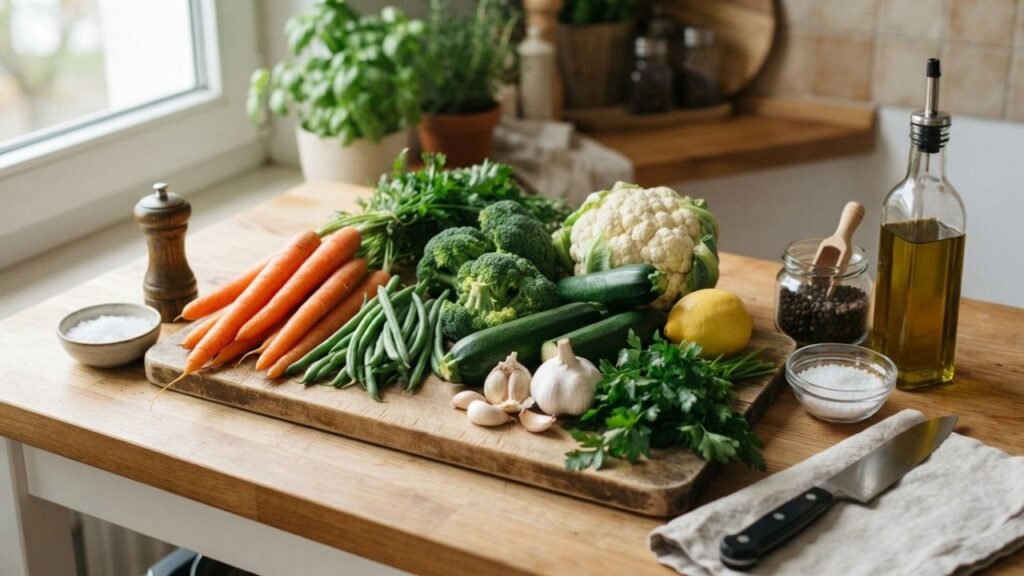
Ingredients:
- 4 cups mixed fresh vegetables
- 1½ tablespoons olive oil
- 1 garlic clove, finely chopped
- ½ teaspoon salt
- ¼ teaspoon black pepper
- 1 tablespoon fresh lemon juice
- 1 tablespoon chopped fresh parsley
- ½ teaspoon dried herbs, optional
- A pinch of red pepper flakes, optional
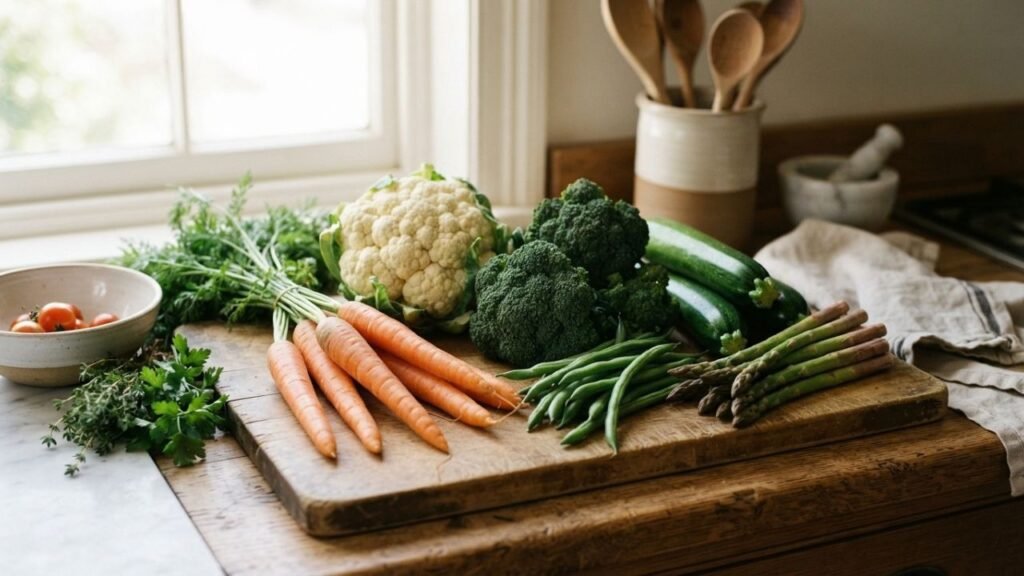
Fresh seasonal vegetables for a simple Vegetable du Jour
What Is Vegetable du Jour?
Vegetable du Jour is a French expression meaning “vegetable of the day.” It does not describe one specific recipe. Instead, it refers to a flexible vegetable side that can change depending on the season and the meal.
The vegetables can be sautéed, roasted, grilled, or steamed. Simple seasoning allows their natural taste, color, and texture to remain the focus.
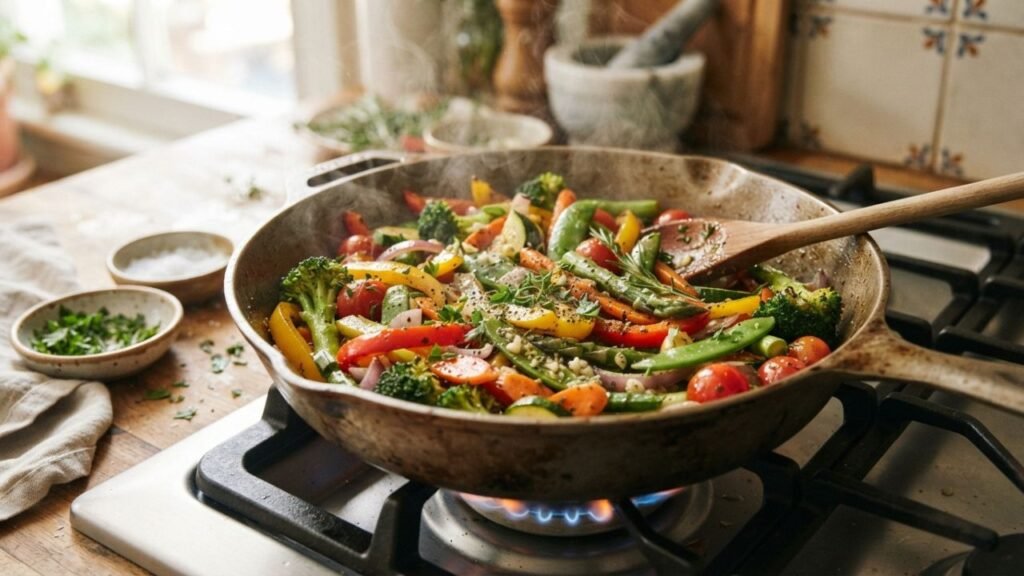
9 Tips for Crisp Vegetables
1. Dry the Vegetables
After washing, pat the vegetables dry with a clean kitchen towel. Excess water creates steam in a hot skillet and makes browning more difficult.
This small step can make a noticeable difference in the final texture.
2. Cut Evenly
Cut the vegetables into similar-sized pieces so they cook at roughly the same rate. Uneven pieces can leave some vegetables soft while others remain firm.
For mixed vegetables, cut dense produce such as carrots slightly smaller than softer vegetables like zucchini.
3. Heat the Pan
Preheat a wide skillet over medium-high heat before adding the oil. You should hear a gentle sizzle when the vegetables hit the pan.
A hot surface helps them cook quickly and develop lightly browned edges.
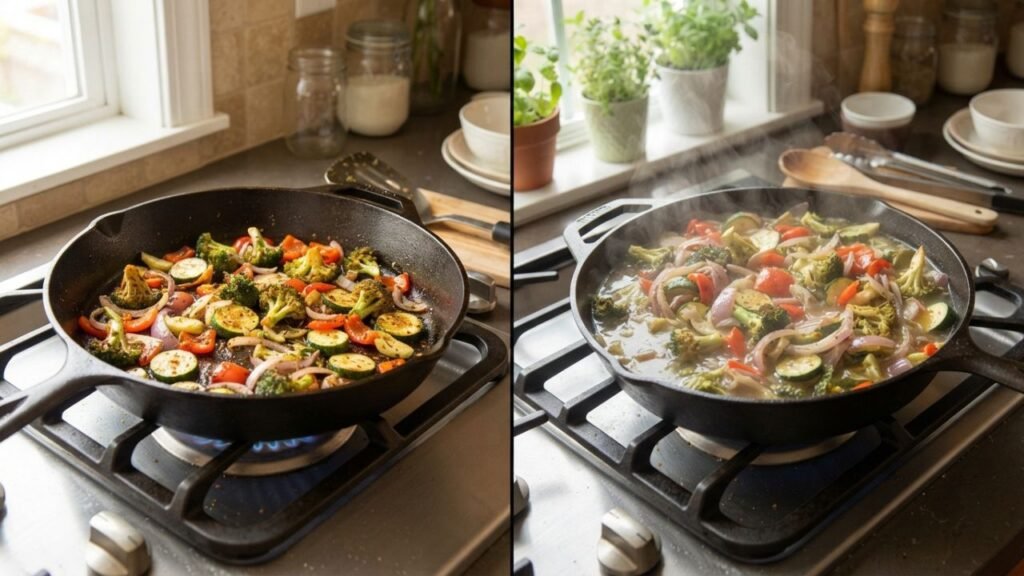
4. Avoid Overcrowding
Give the vegetables enough space in the skillet. When too many pieces are packed together, moisture gets trapped and they begin to steam. Giving vegetables enough space in the pan helps prevent steaming and encourages better browning and crisp edges, as explained by serious eats redirect on the blog 5 Foolproof Rules for Crispier Roasted Vegetables, No Recipe Required.
If you are preparing a large amount, cook in batches rather than filling the pan completely.
5. Use Enough Oil
A modest amount of olive oil helps transfer heat and prevents sticking. It also encourages a little browning without making the dish heavy.
For a richer flavor, you can replace part of the oil with a small amount of butter.
6. Cook Until Crisp-Tender
The goal is vegetables that are tender enough to eat easily while still having some bite. Look for lightly browned edges and a fresh cooked aroma.
Cooking time varies by vegetable, so texture is a better guide than the clock alone.
7. Add Liquid Last
Lemon juice, vinegar, stock, and sauces bring extra flavor but also add moisture. Adding too much too early can prevent proper browning.
Wait until the vegetables are nearly finished, then add a small amount as a final touch.
8. Do Not Overcook
Vegetables continue to soften slightly after they are removed from the heat. Taking them off the stove when they are just tender helps prevent a mushy texture.
In my kitchen, I usually remove them a little earlier than expected, especially when serving them immediately.
9. Serve Soon After Cooking
Freshly cooked vegetables have their best texture when served soon after cooking. Covering them tightly can trap steam and soften the browned edges.
Add fresh parsley, lemon juice, or herbs just before serving.
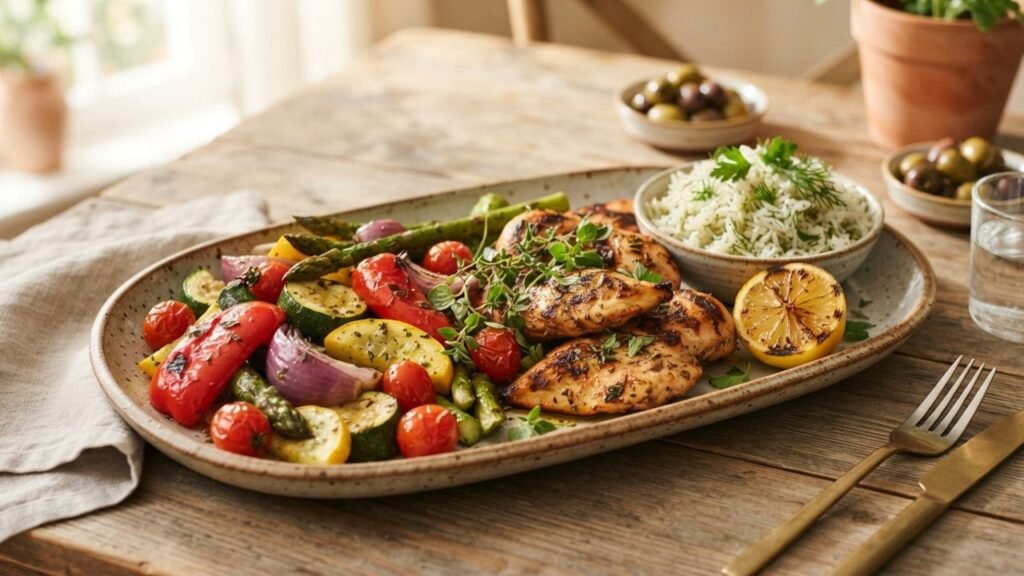
Serving Suggestions
Vegetable du Jour pairs well with baked fish, roast chicken, grilled meat, rice, pasta, potatoes, lentils, and grain bowls.
For green vegetables, lemon and parsley add a fresh finish. Carrots work nicely with garlic or cumin, while broccoli and cauliflower pair well with black pepper and a little Parmesan.
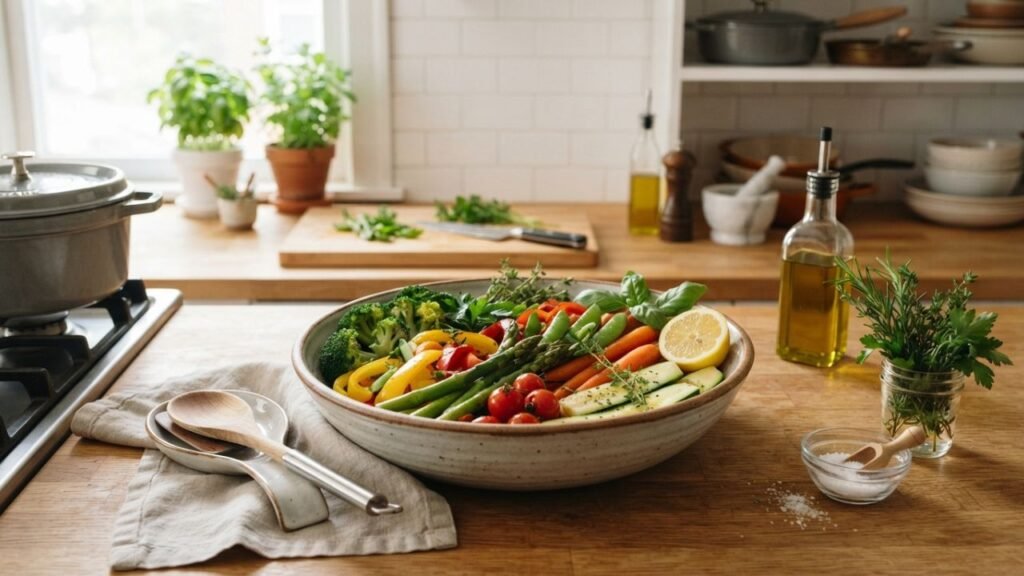
For a gathering, arrange the vegetables on a wide serving platter. For smaller households, prepare an amount that can be enjoyed soon after cooking for the best texture.
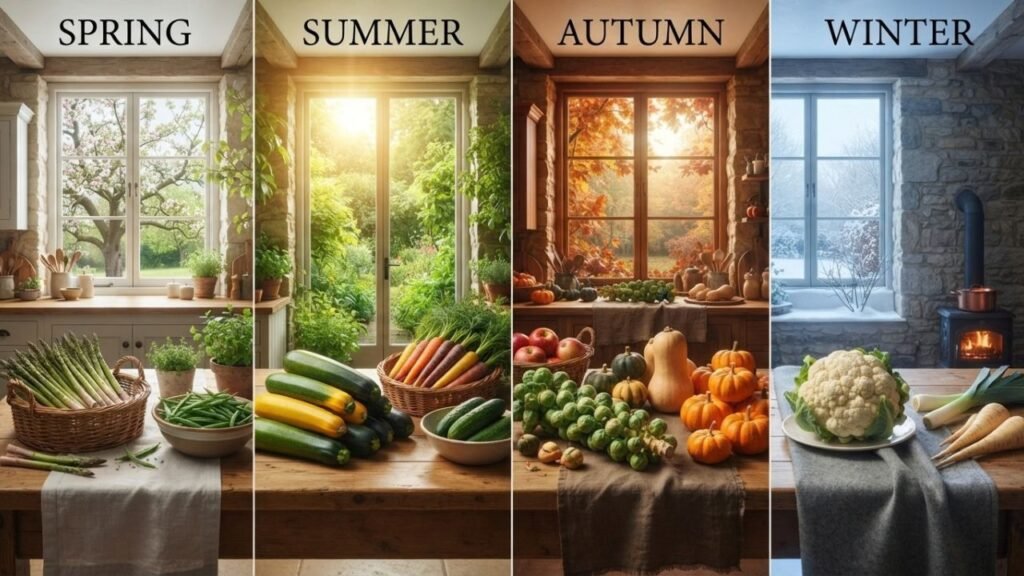
Seasonal Variations
Spring and Summer
Use asparagus, peas, zucchini, green beans, young carrots, and fresh herbs. Lemon, basil, parsley, and mint work well with these lighter vegetables.
Fall and Winter
Try cauliflower, Brussels sprouts, carrots, squash, cabbage, and root vegetables. Roasting can bring out their natural sweetness during colder months.
Leftover Ideas
Leftover vegetables can be added to omelets, frittatas, pasta, fried rice, soups, wraps, or grain bowls.
Cut larger pieces into smaller portions before reheating so they mix easily with other ingredients.
Storage & Reheating Tips
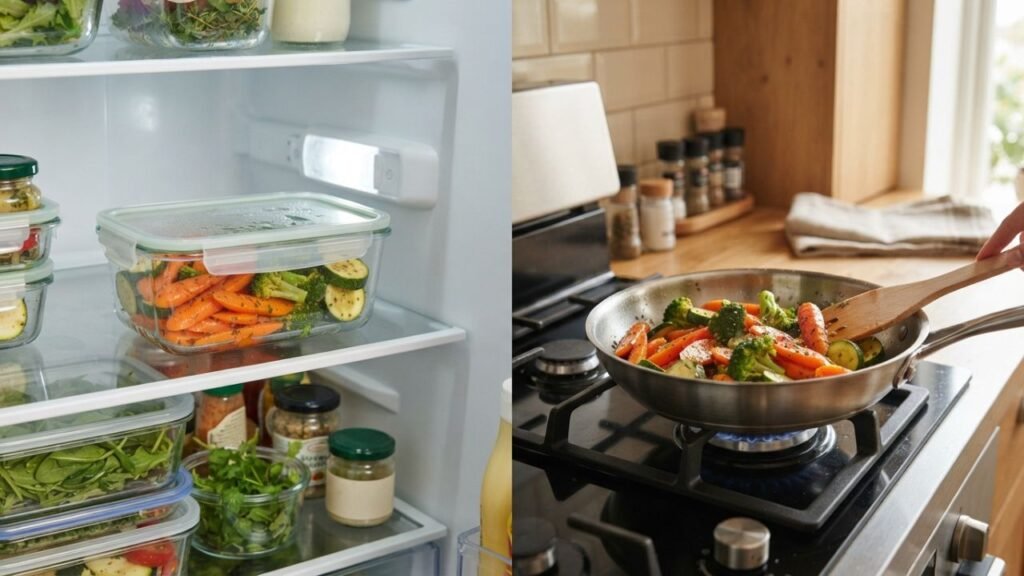
- Refrigerate leftovers in an airtight container within 2 hours. For simple, reliable tips on keeping leftovers safe and fresh, follow the official website of the United States government redirect on the blog food safety website Leftovers: The Gift that Keeps on Giving.
- Use refrigerated vegetables within 3–4 days for best quality.
- Reheat in a skillet or oven to help maintain better texture.
- If using a microwave, heat briefly until just warmed.
- Frozen vegetables may become slightly softer after thawing.
Common Mistakes to Avoid
- Wet vegetables: Dry them well before cooking.
- Crowded pan: Leave enough space for the pieces to brown.
- Low heat: Preheat the skillet before adding the vegetables.
- Overcooking: Stop when they are tender but still slightly firm.
- Too much liquid: Add lemon juice, sauces, or stock near the end.
- Poor seasoning: Taste before serving and adjust as needed.
Frequently Asked Questions
How do I keep Vegetable du Jour crisp?
Dry the vegetables thoroughly, use a hot skillet, avoid overcrowding, and cook them only until tender.
Should I boil vegetables before sautéing?
Not always. Tender vegetables can go directly into the pan. Firmer vegetables such as carrots or cauliflower may benefit from brief blanching.
Why do vegetables become watery?
Excess surface water, overcrowding, and low heat are common causes. Drying the vegetables and giving them enough space can help.
Can I use frozen vegetables?
Yes. Frozen peas, broccoli, green beans, and similar vegetables can work well. Allow excess moisture to cook away.
What is the best way to reheat the vegetables?
A hot skillet or oven usually gives better texture than prolonged microwave heating. Reheat only the amount you plan to serve.
How long do cooked vegetables keep?
Store them in an airtight container in the refrigerator and use them within about 3–4 days for best quality.
Conclusion
Making crisp Vegetable du Jour is mostly about controlling moisture, heat, and cooking time. Dry the vegetables well, give them enough room in the pan, and remove them from the heat while they still have some firmness.
Simple ingredients are usually enough. Olive oil, garlic, herbs, salt, and a little lemon can bring out the natural flavor without making the dish complicated.
With these easy habits, you can prepare vegetables that are colorful, flavorful, and pleasantly crisp for almost any homemade meal.