Aguayón is a Mexican beef cut commonly associated with the hindquarter and sirloin region. It is used in a variety of dishes, including grilled steaks, marinated beef, and traditional-style roasts. Its flavor, texture, and versatility make it a useful choice for home cooks who enjoy Mexican-inspired meals. Understanding the cut and choosing the right cooking method can help you achieve better results in the kitchen.
Choosing the right cut and avoiding overcooking are key to keeping aguayón tender and flavorful. Simple ingredients like garlic, lime, cumin, and dried chiles enhance its natural taste, making it easier to prepare satisfying meals at home.
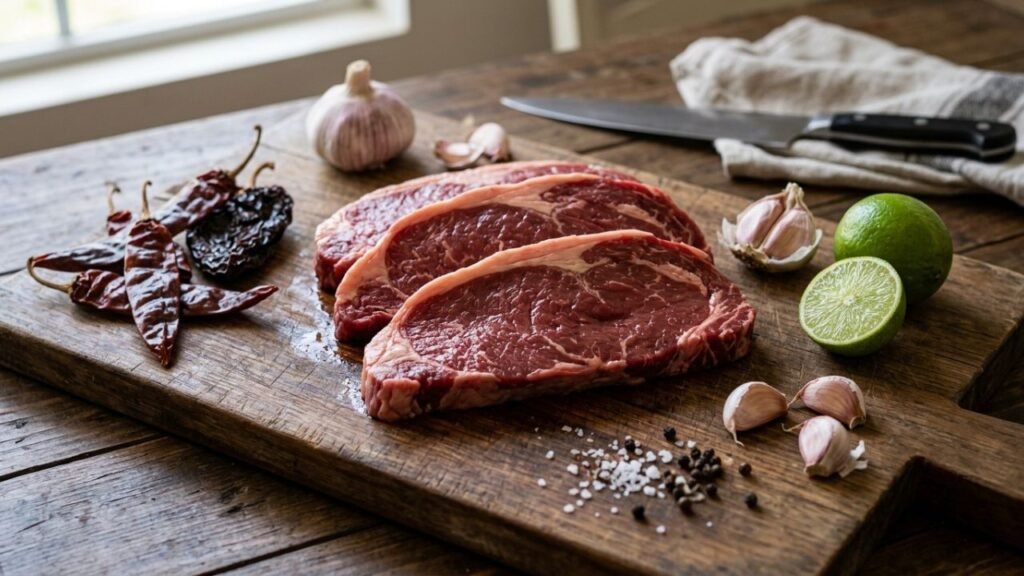
What Is Aguayón?
Aguayón is a Mexican beef cut commonly associated with the sirloin region, although its exact location varies by butcher and country. It has a savory flavor and can be grilled, pan-seared, or roasted, depending on the cut.
Mexican preparations often use garlic, onion, lime, cumin, and dried chiles to complement the natural flavor of the beef. Some regional recipes include additional herbs and spices.
Aguayón Recipe Details
- Prep Time: 15 minutes
- Cook Time: 10–20 minutes
- Total Time: 25–35 minutes, excluding marinating
- Servings: 3–4
- Cooking Method: Pan-searing
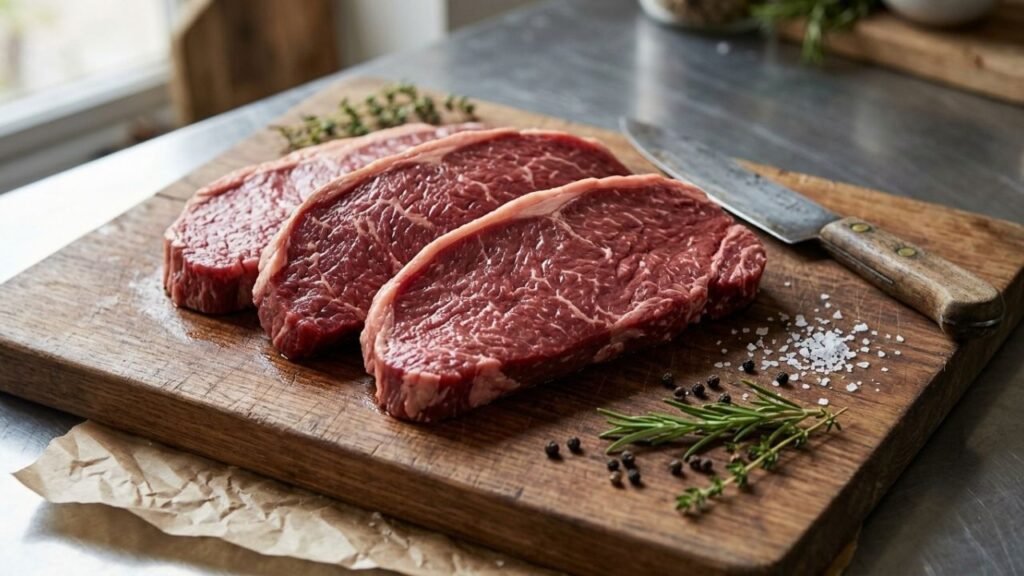
How to Choose Aguayón
Choose beef with a firm, slightly moist surface and a fresh, mild smell. Check the packaging and use-by date, and avoid meat with an unpleasant odor, a slimy surface, or damaged packaging.
For pan-searing, evenly cut steaks are easier to cook consistently. Ask your butcher whether the cut is suitable for quick cooking or needs a slower method.
If aguayón is unavailable, consider these alternatives:
- Top sirloin: Suitable for grilling and pan-searing.
- Flank steak: Works well for grilled dishes served in thin slices.
- Chuck: Better suited to slow cooking.
These cuts are not exact equivalents, so adjust the cooking method to suit the meat.
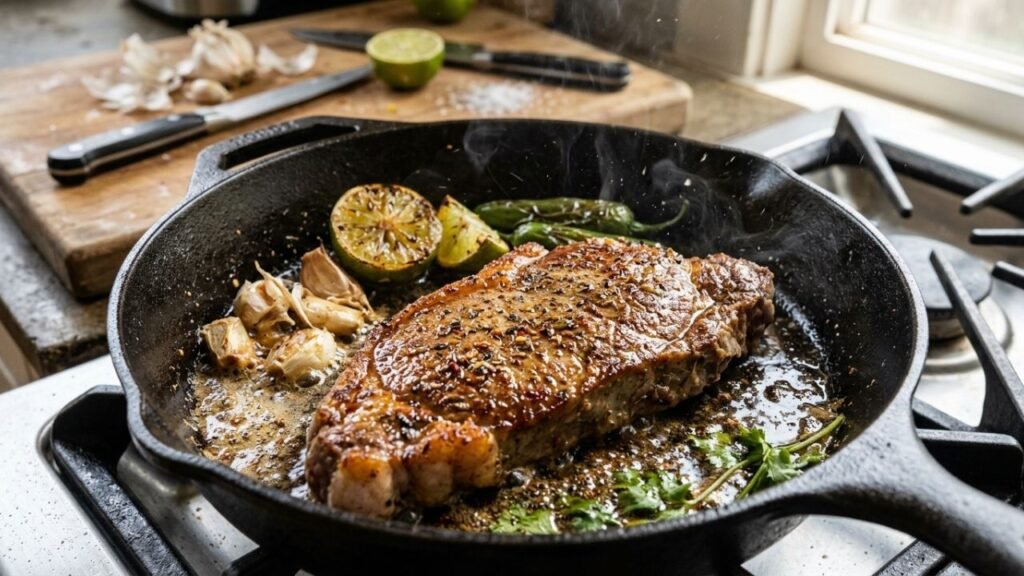
How to Cook Aguayón
This pan-seared method uses garlic, lime, cumin, and oregano to complement the beef. It works best with steaks intended for quick cooking.
Ingredients:
- 500–700 g aguayón steaks
- 2 garlic cloves, minced
- 1 tablespoon lime juice
- 1 tablespoon neutral cooking oil
- 1 teaspoon ground cumin
- 1 teaspoon Mexican oregano
- Salt and black pepper, to taste
- Ground dried chile, optional
1. Prepare the Beef
Pat the steaks dry with paper towels and trim any unwanted tough membrane. Choose pieces of similar thickness to help them cook evenly.
2. Make the Marinade
Mix the garlic, lime juice, oil, cumin, oregano, pepper, and optional chile. Coat the beef and refrigerate for 30 minutes to 2 hours.
Avoid prolonged marinating in an acidic mixture, as it can affect the surface texture.
3. Heat the Pan
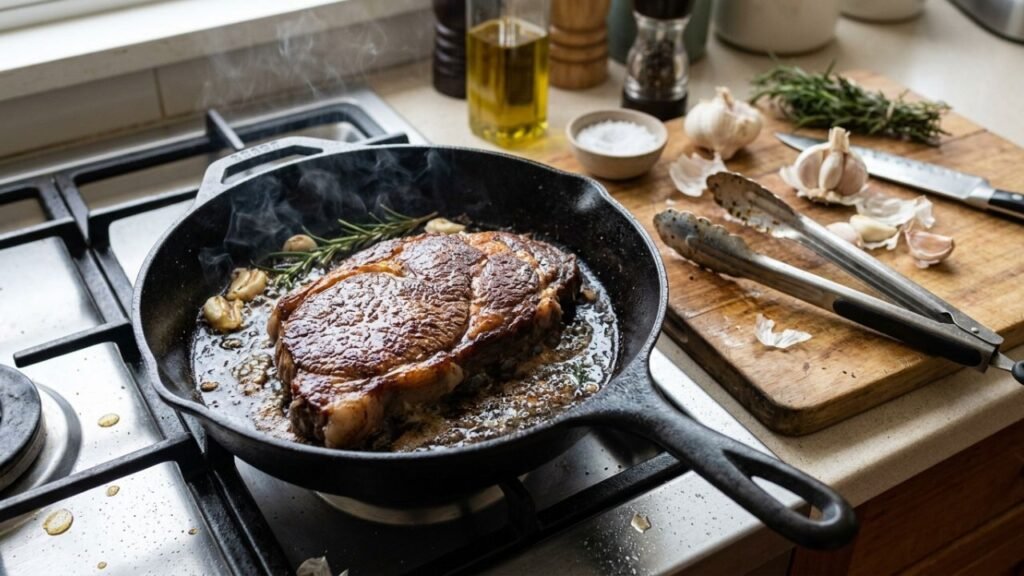
Heat a heavy skillet over medium-high heat. Remove excess marinade from the steaks before cooking to encourage browning.
Cook in batches if necessary to prevent overcrowding.
4. Sear the Steaks
Cook each side for approximately 3–5 minutes, depending on thickness and heat. Use a food thermometer rather than relying on timing alone. Heat control and flipping technique can affect how evenly a steak cooks. Explore these redirects on the blog the website of serious eats For the Juiciest Steaks With the Best Crust, I Always Break This Classic Cooking Rule to better understand the searing process.
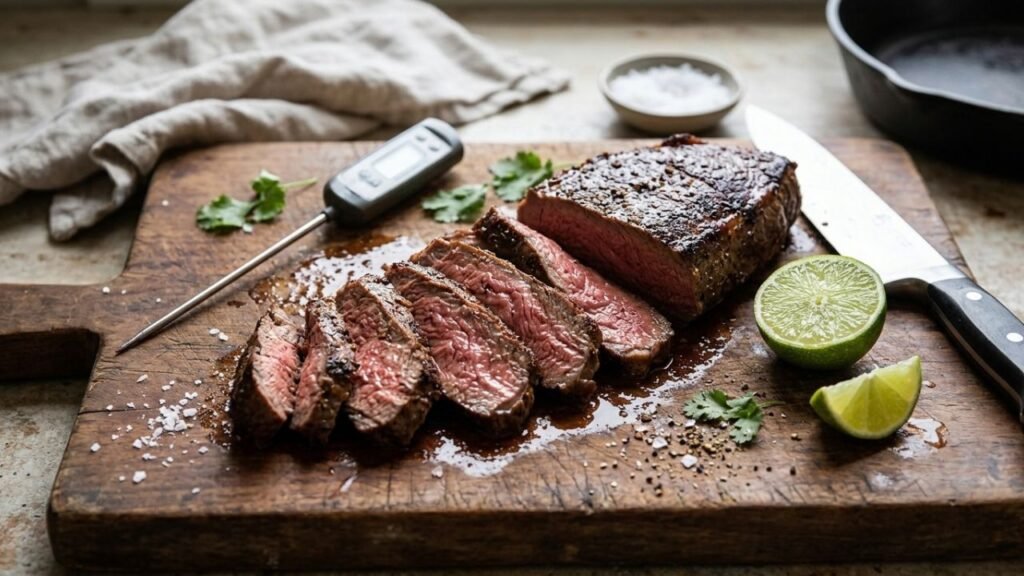
For food safety, the USDA recommends cooking whole beef steaks to at least 145°F (63°C), followed by a minimum three-minute rest.
5. Rest and Slice
Transfer the beef to a clean plate and let it rest for at least three minutes. Slice thinly across the grain to make each bite easier to chew.
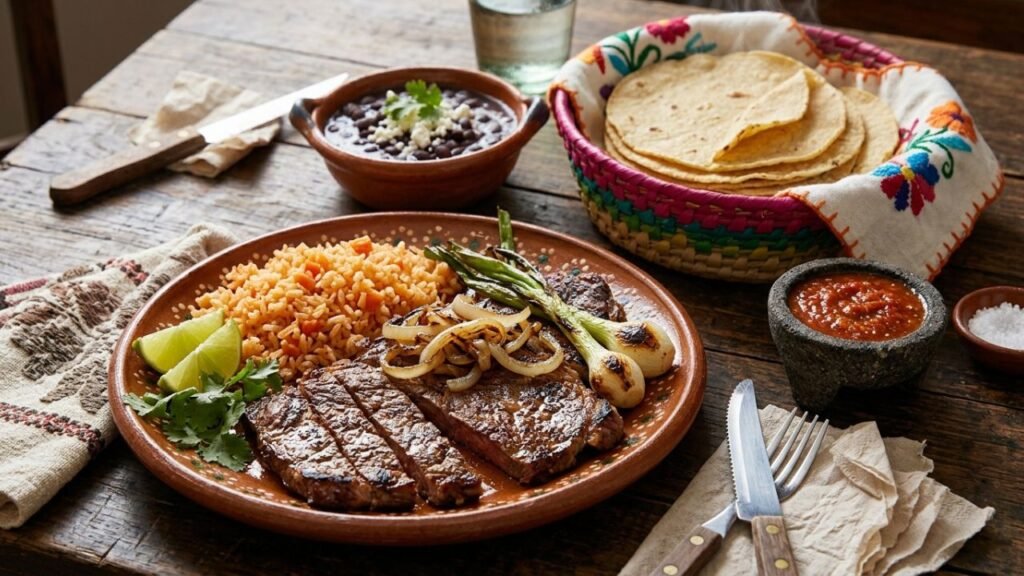
Serving Suggestions
Serve aguayón with warm corn tortillas, Mexican rice, black beans, grilled onions, or roasted peppers. Fresh salsa, chopped cilantro, radishes, and lime add brightness to the savory beef.
For tacos, slice the meat thinly and add a few simple toppings. Leftovers also work well in quesadillas or rice bowls.
Storage and Reheating Tips
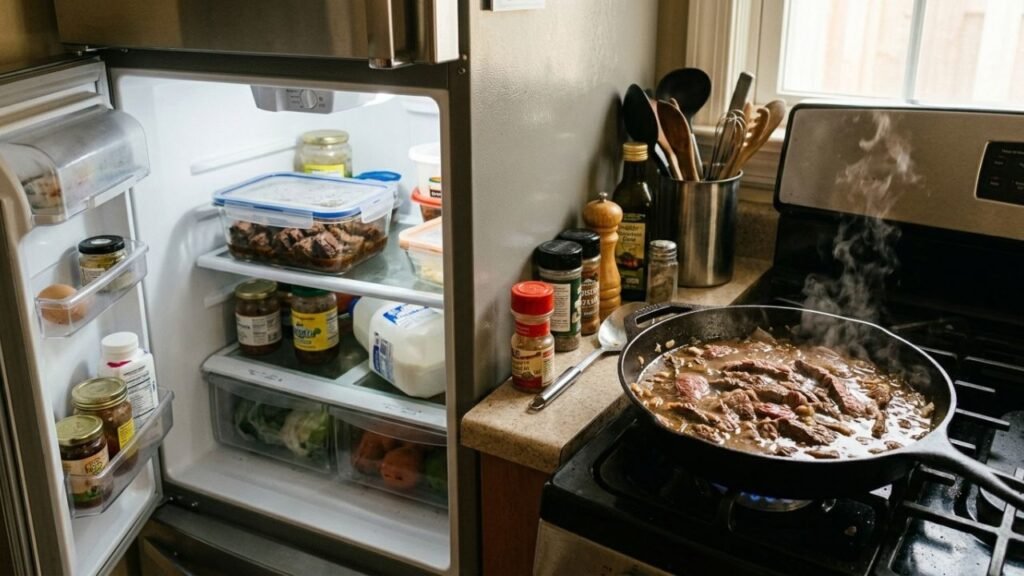
Refrigerate cooked aguayón within two hours in an airtight container at 40°F (4°C) or below. Properly stored cooked beef generally keeps for 3–4 days.For longer storage, freeze portions in airtight packaging and thaw them in the refrigerator when needed. See the official website of united states FDAs Beef From Farm to Table published by FoodSafety.gov.
For longer storage, freeze portions in airtight packaging. For good quality, use frozen cooked beef within approximately 2–3 months and thaw it in the refrigerator.
Reheat sliced beef in a covered skillet with a little water, broth, or sauce. Heat leftovers to 165°F (74°C) and avoid prolonged reheating to help prevent dryness.
Common Mistakes to Avoid
- Choosing the wrong cooking method: Tougher cuts may need slow cooking instead of quick searing.
- Overcooking: Use a thermometer to help prevent dry beef.
- Over-marinating: Excessive acidity can change the surface texture.
- Slicing with the grain: Cut across the muscle fibers for a more tender result.
- Reheating too aggressively: Gentle heating helps preserve moisture.
Matching the cooking technique to the cut matters more than adding extra seasoning.
Frequently Asked Questions
What Is Aguayón in English?
Aguayón is a Mexican beef-cut term commonly associated with the hindquarter and sirloin region. Its exact English equivalent depends on the butchering system.
Is Aguayón a Tender Cut of Beef?
Tenderness varies with the specific cut and preparation. Suitable steaks benefit from careful cooking and slicing across the grain.
What Is the Best Way to Cook Aguayón?
Pan-searing or grilling works well for cuts intended for quick cooking. Tougher pieces may require slow, moist cooking.
Should Aguayón Be Marinated?
Marinating is optional. Garlic, lime, and dried chiles add flavor, but simple salt and pepper can also work well.
How Do You Keep Aguayón From Becoming Tough?
Choose a suitable cut, avoid overcooking, let the meat rest, and slice across the grain.
How Long Does Cooked Aguayón Last?
Cooked beef generally lasts 3–4 days in the refrigerator when stored properly at 40°F (4°C) or below.
Conclusion
Aguayón is a versatile ingredient for Mexican-inspired meals, from grilled steaks to tacos and roast-style dishes. Choosing the right cut, balancing the seasoning, and controlling the cooking temperature help produce flavorful beef with a pleasant texture.
Serve it with tortillas, salsa, rice, or vegetables for a satisfying home-cooked meal. Careful preparation and the right cooking method make the biggest difference.